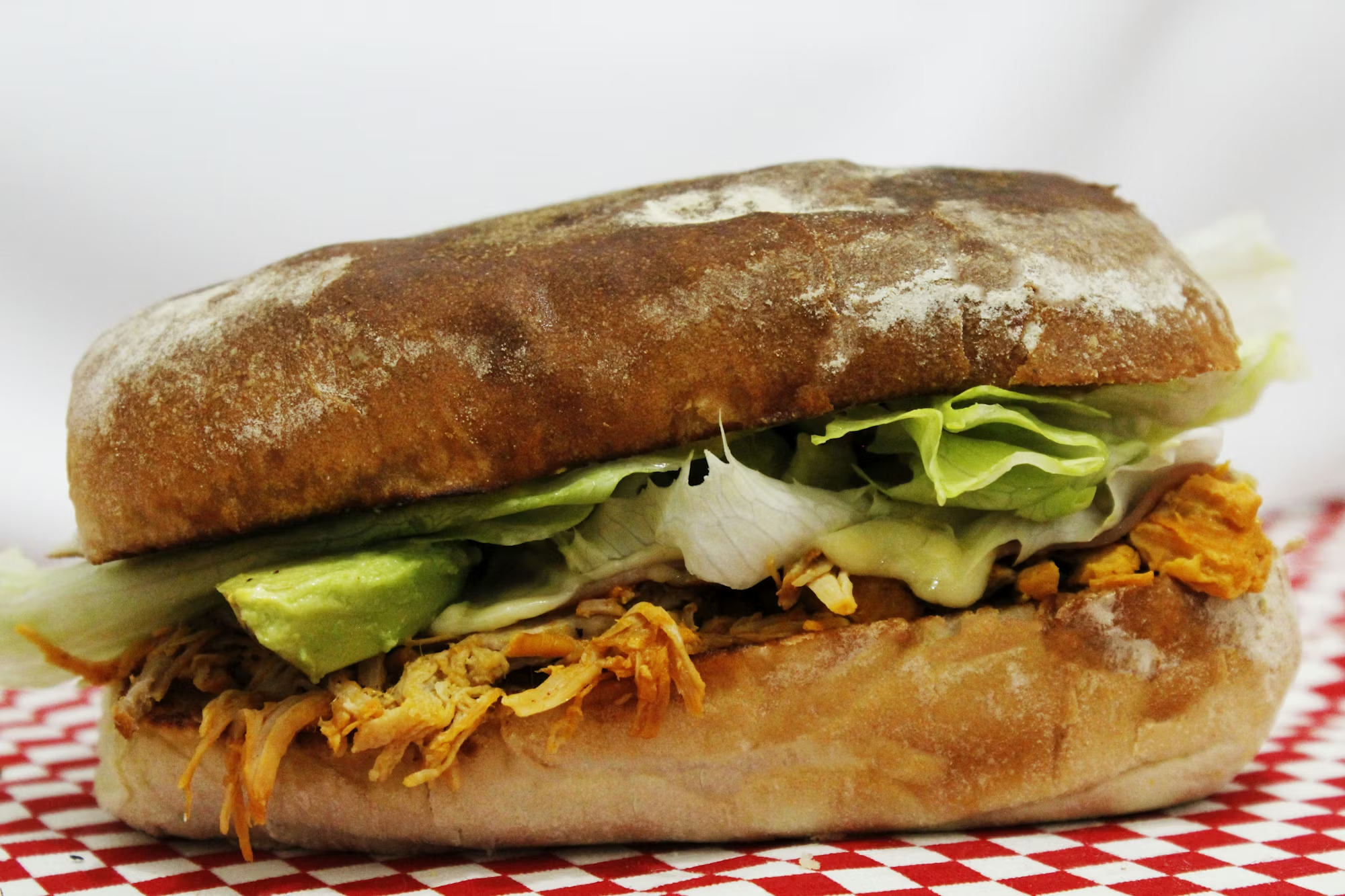
A Culinary Journey: Exploring Global Meat Dishes

Food has a remarkable way of bringing people together, and nowhere is this more evident than in the diverse array of meat dishes found across the globe. Each culture boasts its own unique preparations and flavors, often reflecting local ingredients, traditions, and histories. In this article, we embark on a culinary journey to explore some of the most beloved meat dishes worldwide, uncovering their significance and the stories behind them.

The Essence of Meat in Culinary Traditions
Meat has been a fundamental part of human diets for centuries, providing not only sustenance but also a means of cultural expression. From the communal gatherings centered around barbecues to the elaborate feasts featuring roasted meats, these dishes often hold a special place in celebrations and family traditions.

The way meat is prepared and consumed can vary dramatically from one region to another. Cooking methods such as grilling, roasting, stewing, and smoking are just a few techniques that showcase the versatility of meat and the creativity of cooks around the world. This article highlights various types of meat, each accompanied by iconic dishes that exemplify their cultural significance.

Beef: The Star of Many Tables
Beef is a central ingredient in many culinary traditions, especially in countries like the United States, Argentina, and Japan. In the U.S., the classic cheeseburger is a favorite, combining a juicy beef patty with fresh toppings and sauces, enjoyed at barbecues and restaurants alike. Argentina takes pride in its asado, a traditional barbecue that features various cuts of beef cooked over an open flame, often accompanied by chimichurri sauce—a zesty blend of herbs, garlic, and vinegar.

In Japan, wagyu beef is celebrated for its unparalleled tenderness and marbling. Dishes such as gyudon (beef bowl) and sukiyaki (hot pot) highlight the rich flavors of this premium meat, demonstrating the meticulous care that goes into raising wagyu cattle. These dishes not only showcase the quality of the meat but also reflect the cultural importance of beef in Japanese cuisine.

Pork: A Versatile Delight
Pork is another widely consumed meat, beloved for its rich flavor and versatility. In Spain, the iconic jamón ibérico (Iberian ham) is a delicacy made from free-range pigs that feed on acorns, resulting in a complex, nutty flavor. Served thinly sliced, it is a staple in Spanish tapas culture and often paired with cheeses and olives.

In the Southern United States, pulled pork is a hallmark of barbecue cuisine. The slow-cooked, tender meat is typically served on a bun with tangy barbecue sauce and coleslaw, embodying the spirit of community and comfort food. Similarly, in Asia, dishes like char siu (Chinese barbecue pork) showcase the meat’s adaptability to various marinades and cooking techniques, resulting in a sweet, savory dish often served with rice or noodles.

Chicken: The Global Favorite
Chicken is perhaps the most universally consumed meat, gracing tables in countless forms. In India, tandoori chicken is marinated in yogurt and spices before being cooked in a traditional clay oven, resulting in a smoky, flavorful dish that is often served with naan and raita. The spices used reflect the rich culinary heritage of the region, making it a favorite among locals and visitors alike.

In the Mediterranean, roasted chicken is often seasoned with herbs and lemon, creating a dish that is both aromatic and refreshing. Paired with seasonal vegetables or grains, it exemplifies the importance of fresh ingredients in Mediterranean cuisine. Furthermore, fried chicken, a Southern staple in the U.S., boasts a crispy coating and tender meat, served with biscuits and gravy, celebrating the comfort and nostalgia of home cooking.

Lamb: A Flavorful Choice
Lamb has a distinctive flavor that is particularly celebrated in Mediterranean and Middle Eastern cuisines. In Greece, moussaka—a layered dish of eggplant, ground lamb, and béchamel sauce—showcases the rich flavors and textures of this meat, while in Morocco, tagine featuring lamb, apricots, and spices highlights the culinary traditions of North Africa.

In India, lamb curry is a beloved dish, often slow-cooked with spices and served with rice or naan. The aromatic blend of spices and the tender meat create a comforting meal that reflects the region’s rich culinary history. Each of these dishes not only celebrates the flavor of lamb but also the cultural significance of shared meals.

Turkey: Beyond Thanksgiving
While turkey is often associated with Thanksgiving in North America, its culinary versatility extends far beyond this holiday. In the Mediterranean, grilled turkey kebabs are marinated in herbs and spices, providing a flavorful alternative to traditional meats. These kebabs are typically served with pita bread and a variety of dips, making them perfect for sharing.

Turkey can also be found in various dishes across Europe, such as turkey schnitzel in Germany, where the meat is breaded and fried, creating a crispy exterior and juicy interior. This dish showcases the adaptability of turkey and its ability to absorb flavors, making it a beloved choice in many households.

Duck: A Gourmet Experience
Duck is often regarded as a gourmet meat, known for its rich flavor and succulent texture. In France, duck confit—slow-cooked duck leg preserved in its fat—is a classic dish that embodies French culinary tradition. Served with potatoes or vegetables, it highlights the deep flavors achieved through careful cooking techniques.

Peking duck, a celebrated dish in Chinese cuisine, features crispy skin and tender meat, served with pancakes and hoisin sauce. This dish is not only a culinary delight but also a symbol of celebration, often enjoyed during special occasions. The preparation of duck showcases the artistry involved in cooking, making it a favorite among food enthusiasts.

Game Meats: Unique Flavors
For those seeking a unique culinary experience, game meats offer distinct flavors and textures. In regions where hunting is prevalent, dishes made with venison, bison, or wild boar reflect a connection to the land and local traditions. In Scandinavia, for instance, reindeer meat is often featured in traditional dishes like reindeer stew, highlighting the cultural significance of this ingredient in Sami cuisine.

Similarly, in the American West, bison burgers have gained popularity, offering a leaner alternative to beef while delivering a robust flavor. These game meats not only provide a unique taste experience but also tell stories of cultural heritage and sustainability.

Seafood: A Complementary Element
While the focus is primarily on meat, seafood deserves mention as a vital component of many culinary traditions. Fish dishes such as grilled salmon in North America and sushi in Japan showcase the diversity of flavors found in the ocean. Seafood often complements meat dishes, adding depth and variety to meals.

In coastal regions, dishes like paella—made with a combination of meats and seafood—highlight the culinary creativity that arises from mixing different protein sources. This dish, originating from Spain, showcases the abundance of local ingredients and reflects the cultural importance of shared meals.

Conclusion
Exploring global meat dishes reveals a rich tapestry of flavors, techniques, and cultural significance. Each dish tells a story, reflecting local traditions and the creativity of cooks worldwide. Whether it’s the smoky flavors of barbecue, the aromatic spices of curries, or the tender textures of gourmet preparations, meat plays a central role in bringing people together. As we savor these dishes, we not only enjoy the food but also celebrate the cultural heritage that accompanies every bite.


Exploring the World of Cheesecake: A Sweet and Creamy Delight

Cheesecake is one of those desserts that never seems to go out of style. Its creamy texture, combined with a buttery crust and endless possibilities for toppings and fillings, has made it a beloved treat around the world. Whether you prefer it baked or unbaked, topped with fresh fruit or chocolate, cheesecake offers a delectable balance of sweetness and richness. But what is it about cheesecake that has made it so universally adored? In this article, we will dive into the history, different types, and techniques behind the perfect cheesecake.

The Origins of Cheesecake
The origins of cheesecake can be traced back to ancient Greece, where the earliest recorded recipes for this beloved dessert were written. In fact, the word ‘cheesecake’ is believed to have originated from the Greek word ‘plakous’, which referred to a cake made with cheese. The ancient Greeks used a mixture of cheese, honey, and wheat flour to create a simple yet delicious treat, which was often served as an offering to the gods during religious ceremonies.

The concept of cheesecake eventually spread throughout Europe, with variations emerging in Italy and other Mediterranean countries. By the 18th century, the cheesecake we recognize today began to take shape in Europe, especially in France and Italy. In Italy, for example, a version of cheesecake known as torta di ricotta made from ricotta cheese, eggs, and sugar was popularized.

It wasn’t until the 19th century that cheesecake made its way to the United States, where it quickly gained popularity, particularly in New York City. Today, New York-style cheesecake is one of the most famous and recognizable varieties of cheesecake in the world. But as with many classic dishes, the origins of cheesecake are as diverse as the people who have embraced it.

Types of Cheesecake
Over the years, cheesecake has evolved into many different types and styles, each with its own unique characteristics. While there are infinite ways to flavor and decorate cheesecake, most can be classified into one of a few broad categories. Below are some of the most popular types of cheesecake enjoyed around the world.

1. New York-Style Cheesecake
New York-style cheesecake is perhaps the most well-known variety, especially in the United States. This cheesecake is known for its dense, rich, and creamy texture. What sets it apart from other cheesecakes is the use of cream cheese as the primary ingredient, which gives it its signature smoothness. New York-style cheesecake is typically baked in a water bath to ensure even cooking and to prevent cracking on the surface.

The classic New York cheesecake features a graham cracker crust, but variations often include additional flavorings like vanilla, lemon zest, or chocolate. Toppings can range from fresh fruit, such as strawberries or blueberries, to decadent sauces like chocolate ganache or caramel. The simplicity of New York cheesecake allows the rich flavor of the cream cheese filling to shine through, making it a favorite for many.

2. Italian Ricotta Cheesecake
In contrast to the dense New York-style cheesecake, Italian ricotta cheesecake is lighter and airier. Ricotta cheese, which is made from whey, is used in place of cream cheese, giving this cheesecake a lighter, more delicate texture. Ricotta cheesecake is often flavored with citrus zest, such as lemon or orange, and may also include ingredients like chocolate chips or candied fruit.

This type of cheesecake is often served during holidays or special occasions, and it is typically topped with fresh fruit or a dusting of powdered sugar. Ricotta cheesecake is a popular dessert in Italy, particularly in regions like Sicily, where the cheese is produced in abundance. The lightness of ricotta cheesecake makes it an ideal choice for those who enjoy a less rich dessert.

3. No-Bake Cheesecake
No-bake cheesecakes are the perfect option for those who want to skip the oven altogether. These cheesecakes are made by combining cream cheese or mascarpone with heavy cream, sugar, and flavorings, then setting the mixture in a chilled crust, typically made from crushed graham crackers or cookies. No-bake cheesecakes are typically lighter in texture and can be made in a variety of flavors, from classic vanilla to more exotic options like matcha or lemon meringue.

One of the advantages of no-bake cheesecakes is that they require minimal preparation and don’t need to be baked in the oven, which makes them a great option for hot summer days when you want a cool, refreshing dessert. They also tend to be quicker to prepare, as they only require chilling for a few hours in the refrigerator to set.

4. Japanese Cheesecake
Japanese cheesecake, also known as cotton cheesecake or soufflé cheesecake, is a light and airy variation that has become popular worldwide. Unlike traditional cheesecakes, which have a dense and creamy texture, Japanese cheesecake is fluffy, almost like a cross between a cheesecake and a soufflé. This cheesecake is made with cream cheese, eggs, sugar, and a small amount of flour or cornstarch, and it is typically baked in a water bath to achieve its soft, spongy texture.

Japanese cheesecakes are often served plain or with a simple dusting of powdered sugar, though they can also be topped with fresh fruit or a light glaze. The unique texture of Japanese cheesecake is achieved by whipping the egg whites until they form stiff peaks, giving the cake its characteristic fluffiness. This style of cheesecake is perfect for those who enjoy a less sweet, lighter dessert.

5. Japanese Cotton Cheesecake
A more recent twist on the classic Japanese cheesecake is the cotton cheesecake, a variation that focuses on an even lighter, more delicate texture. This cheesecake is known for its incredibly airy and soft crumb, which resembles a cotton texture. Cotton cheesecake is often flavored with vanilla or citrus and may have a slightly firmer bottom layer of cake while remaining incredibly light and soft in the middle. It is perfect for those who are looking for something that’s both flavorful and light.

Techniques for Making Perfect Cheesecake
Creating the perfect cheesecake requires both precision and patience. Here are a few tips and techniques that will help you master the art of cheesecake baking.

1. Choose the Right Cheese: The type of cheese you use is one of the most important factors in determining the texture and flavor of your cheesecake. Cream cheese is the most common choice for cheesecakes, but you can also experiment with mascarpone, ricotta, or even goat cheese to create different flavors and textures. Be sure to use full-fat cheese for a rich, creamy result.

2. Use Room Temperature Ingredients: To achieve a smooth, lump-free filling, it’s important that your cream cheese, eggs, and other ingredients are at room temperature. Cold ingredients can cause the batter to seize up, resulting in a lumpy texture that’s difficult to smooth out.

3. Avoid Overmixing: Overmixing the cheesecake batter can lead to air bubbles, which may cause cracks in the finished cheesecake. Mix the ingredients just until they’re combined, and avoid overbeating the batter.

4. Bake in a Water Bath: To ensure even cooking and to prevent cracking, bake your cheesecake in a water bath. This technique involves placing the cheesecake pan in a larger pan filled with hot water, which helps to regulate the temperature and keep the cheesecake moist and creamy.

5. Cool Gradually: After baking, let your cheesecake cool in the oven with the door slightly ajar for about an hour. Then, transfer it to the fridge to cool completely before serving. This gradual cooling process helps to prevent cracks from forming.

The Versatility of Cheesecake
What makes cheesecake so appealing is its versatility. It can be flavored in countless ways, from traditional vanilla to exotic ingredients like matcha, pumpkin, or salted caramel. Toppings range from fresh fruit to decadent chocolate ganache, and the crust can be made from everything from graham crackers to crushed cookies, nuts, or even pretzels.

Cheesecake can be made in different shapes and sizes—mini cheesecakes, cheesecake bars, or the classic round cheesecake—allowing it to fit any occasion. Whether you’re serving it at a holiday gathering or bringing it to a dinner party, cheesecake never fails to impress.

Conclusion
Cheesecake is more than just a dessert; it’s a timeless treat that brings joy to people around the world. From its ancient origins in Greece to its modern-day variations, cheesecake has evolved into a dish that offers endless possibilities for flavor combinations, textures, and creative presentations. Whether you’re baking a rich New York-style cheesecake, a light and fluffy Japanese cheesecake, or a no-bake cheesecake for a quick and easy treat, this dessert is always a crowd-pleaser.

So, the next time you’re looking to indulge in a deliciously creamy dessert, consider making a cheesecake. With its versatility, rich history, and ability to bring a smile to anyone’s face, cheesecake will always be a beloved classic.

Exploring the World of Meat: A Guide to Cuts and Cooking Techniques

Meat has been a fundamental part of human diets and culinary traditions across the globe. Each type of meat offers unique flavors, textures, and cooking possibilities that can elevate any dish. In this article, we will explore various meats, focusing on their popular cuts, ideal cooking methods, and the best ways to enjoy them. From beef and pork to poultry and game, the world of meat is diverse and delicious.

Beef: A Rich Tradition

Beef is one of the most popular meats worldwide, valued for its rich flavor and versatility. It is sourced from cattle and comes in a wide variety of cuts, each with its distinct taste and texture. Key cuts include sirloin, ribeye, tenderloin (filet mignon), brisket, and flank steak. The ribeye, known for its marbling, is perfect for grilling, as the fat melts into the meat, creating a juicy and flavorful steak. In contrast, the tenderloin is lean and tender, making it ideal for elegant dishes like beef Wellington.

Beef can be enjoyed in numerous ways: grilled, roasted, braised, or stewed. Classic dishes such as beef stew, steak frites, and BBQ ribs showcase its adaptability. Moreover, various international cuisines feature beef prominently. In Mexico, for example, it is used in tacos and burritos, while in Italy, it stars in Bolognese sauce. Understanding the various cuts and their characteristics can help cooks choose the best preparation methods, ensuring the dish is both flavorful and tender.

Pork: The Quintessential Comfort Meat

Pork is another favorite meat, celebrated for its rich flavors and diverse cuts. From bacon and ham to pork chops and tenderloin, pork can be prepared in many delightful ways. Bacon, a beloved breakfast staple, can add a smoky flavor to salads or wrapped around vegetables for added richness. Pork chops, whether grilled or baked, provide a hearty option for family dinners.

One of the most popular preparations for pork is slow-roasting, particularly with cuts like pork shoulder or belly. The slow cooking allows the fat to render, creating a tender, flavorful dish. Barbecue pulled pork sandwiches and succulent roasted pork belly are just two examples of how this meat can be elevated to comfort food status. Asian cuisines also utilize pork extensively; dishes like char siu (Chinese BBQ pork) and tonkatsu (Japanese breaded pork cutlet) showcase the meat’s versatility.

Chicken: A Global Favorite

Chicken is perhaps the most consumed meat globally, prized for its lean protein and adaptability. With cuts including breasts, thighs, wings, and drumsticks, chicken can be prepared in countless ways to suit different culinary traditions. Chicken breasts are often grilled or baked, while thighs and drumsticks, which are darker and richer in flavor, are perfect for roasting or braising.

A hallmark of chicken is its ability to absorb flavors, making it a blank canvas for a variety of seasonings and marinades. From spicy chicken tikka in Indian cuisine to classic fried chicken in the Southern United States, the possibilities are endless. Chicken can also be featured in hearty soups, salads, and stir-fries, making it a staple in kitchens worldwide.

Lamb: The Delicate Flavor

Lamb, sourced from young sheep, is known for its distinctive flavor and tenderness. Common cuts include leg of lamb, chops, rack of lamb, and ground lamb. Lamb has a slightly sweet and gamey flavor that pairs well with aromatic herbs and spices, making it popular in Mediterranean and Middle Eastern cuisines.

A traditional preparation for lamb is roasting, which enhances its flavor and tenderness. Dishes like roast leg of lamb served with mint sauce or lamb shanks braised with vegetables are classics that highlight the meat’s unique qualities. Grilled lamb chops, seasoned with garlic and rosemary, are another favorite, perfect for summer barbecues. Additionally, lamb is often used in curries and stews, showcasing its versatility across different cooking styles.

Turkey: The Holiday Staple

Turkey is commonly associated with festive occasions, especially in North America during Thanksgiving. However, it is a versatile meat that can be enjoyed year-round. Turkey is available in various cuts, including breast, thighs, wings, and ground turkey, offering a lean alternative to red meats.

While the whole roasted turkey is the centerpiece of holiday meals, ground turkey can be a healthy substitute in dishes like burgers, meatballs, and chili. Turkey breast, when seasoned and grilled, can be just as flavorful as chicken. Exploring different marinades and spices can bring out the best in turkey, making it a delightful addition to any meal.

Duck: A Gourmet Choice

Duck is known for its rich, succulent flavor and is often considered a gourmet option. Commonly used cuts include duck breast, whole duck, and duck confit. Duck breast, with its crispy skin and tender meat, is typically pan-seared to perfection, while duck confit—slow-cooked in its fat—offers a melt-in-your-mouth experience.

Dishes like Peking duck showcase duck’s ability to absorb flavors and pair well with sweet and savory ingredients. Whether served in upscale restaurants or home kitchens, duck provides a luxurious twist to traditional meat dishes, and it’s perfect for special occasions or a gourmet dinner at home.

Game Meats: A Taste of the Wild

For those seeking something different, game meats offer unique flavors and culinary experiences. These meats come from wild animals such as venison (deer), elk, bison, rabbit, and quail. Game meats tend to be leaner and often have a stronger flavor compared to conventional meats.

Cooking game meats can be a rewarding experience, but they often require specific techniques to ensure tenderness and flavor. For example, venison is best when marinated and grilled, while rabbit is often braised or roasted. These meats are often featured in hearty stews or savory pies, allowing their natural flavors to shine. Game meats can also be found in various international cuisines, offering a taste of the wild in your home cooking.

Seafood: A World of Freshness

Seafood, while not traditional meat, is an essential part of many diets around the world. It includes a variety of options such as fish (salmon, tuna, cod) and shellfish (shrimp, crab, lobster). Seafood is prized for its fresh flavors and health benefits, offering lean protein and omega-3 fatty acids.

Preparation methods for seafood are diverse, ranging from grilling and baking to steaming and frying. Each type of seafood brings its unique taste and texture to the table. For example, flaky cod is perfect for fish tacos, while rich salmon can be grilled or baked with herbs and lemon for a healthy meal. Seafood can also be featured in hearty stews, sushi, or salads, making it a versatile choice for any occasion.

Veal: Tender and Delicate

Veal, sourced from young calves, is renowned for its tenderness and subtle flavor. Common cuts include veal chops, cutlets, and tenderloin. This delicate meat is often prepared in elegant dishes, such as osso buco or veal piccata, where it can absorb rich sauces and flavors.

Cooking veal requires a gentle touch to maintain its tenderness, making it ideal for quick sautéing or braising. The refined nature of veal allows chefs to create stunning dishes that highlight its soft texture and mild flavor, making it a favorite for those looking to impress at dinner parties.

Exotic Meats: Culinary Adventures

For the adventurous eater, exotic meats offer a chance to explore unique flavors. These may include meats from less common animals such as ostrich, kangaroo, alligator, or camel. Each of these meats presents distinct flavors and textures, often leaning towards a leaner profile compared to traditional meats.

Cooking with exotic meats can be an exciting experience, requiring creativity and experimentation. For instance, kangaroo meat is often described as gamey and is best when grilled or stir-fried, while ostrich can be used in burgers or steaks. Exploring these less conventional options can expand one’s palate and introduce new culinary traditions, making for an adventurous dining experience.

Conclusion

The diverse world of meat offers a wealth of flavors, textures, and culinary possibilities. Understanding the various types of meat, their cuts, and the best cooking methods allows both novice and experienced cooks to create delicious meals. From the familiar comforts of beef and chicken to the gourmet experiences of duck and game meats, the journey through the world of meat is an exciting culinary adventure waiting to be explored.

Savoring the Spectrum: A Dive into Diverse Restaurant Experiences

Dining out has become a cherished activity for many, serving as a gateway to new flavors and experiences. The variety of restaurants available today reflects a rich tapestry of culinary traditions and innovations, allowing guests to enjoy everything from extravagant meals to comforting bites. In this article, we will explore the different types of restaurants, highlighting their unique characteristics and the dining experiences they provide.

Fine Dining: An Exquisite Culinary Journey

Fine dining restaurants represent the pinnacle of culinary artistry and service. These establishments offer an elegant atmosphere where every detail is thoughtfully curated, from the décor to the presentation of the dishes. Upon entering a fine dining venue, guests are often greeted by a sophisticated ambiance characterized by soft lighting, exquisite table settings, and attentive staff who aim to create an unforgettable dining experience.

The menus at fine dining restaurants are typically crafted with care, featuring seasonal ingredients and innovative dishes that showcase the chef’s creativity. Many fine dining establishments offer tasting menus, which allow guests to sample a curated selection of dishes designed to take them on a gastronomic journey. Each course is meticulously plated, transforming the meal into an art form that delights the senses.

Wine pairings are often an integral part of the fine dining experience, with sommeliers available to guide diners through an impressive selection that complements the menu. This attention to detail creates an immersive dining experience, making fine dining an ideal choice for special occasions, celebrations, or romantic evenings.

Casual Dining: Comfort and Variety

Casual dining restaurants provide a relaxed and inviting atmosphere where guests can enjoy a diverse menu without the formality associated with fine dining. These establishments cater to a wide range of tastes and preferences, offering everything from comfort food classics to international dishes. The vibe is typically friendly and informal, making casual dining a popular choice for family outings, gatherings with friends, or casual dates.

In casual dining settings, diners can expect a welcoming environment with attentive yet unpretentious service. The menus often feature a variety of options, including shareable appetizers, hearty entrees, and delicious desserts. Many casual dining restaurants also offer specials and promotions, allowing families and groups to enjoy a satisfying meal without breaking the bank.

The emphasis on community and connection is a hallmark of casual dining. Guests are often encouraged to share dishes, creating a social experience that enhances the enjoyment of the meal. This sense of togetherness makes casual dining a perfect option for fostering relationships and creating lasting memories.

Fast Food: Quick and Convenient

Fast food restaurants have transformed the way we think about dining, offering quick, convenient meals that cater to busy lifestyles. Chains like McDonald’s, Burger King, and Taco Bell are ubiquitous, providing a range of familiar options designed to satisfy hunger in a hurry. The hallmark of fast food is efficiency, with drive-thru services and streamlined operations that minimize wait times.

The fast food experience is characterized by its casual and informal setting, allowing customers to grab a meal quickly or dine in without the need for reservations. Menus typically include a variety of items, from burgers and fries to salads and breakfast options, ensuring there’s something for everyone. In recent years, many fast food chains have introduced healthier alternatives, reflecting changing consumer preferences and dietary considerations.

Additionally, some fast food establishments are prioritizing sustainability, sourcing ingredients responsibly and reducing their environmental impact. This evolution shows that fast food can adapt to modern dietary trends while still delivering the convenience that many diners seek.

Ethnic and Specialty Restaurants: A Taste of Culture

Ethnic and specialty restaurants provide a delightful exploration of global cuisines, offering diners authentic dishes that celebrate diverse culinary traditions. From Italian trattorias serving handmade pasta to Thai restaurants dishing out fragrant curries, these establishments immerse guests in the flavors and customs of their respective cultures. Dining at an ethnic restaurant often feels like a cultural journey, where decor, music, and service transport diners to different parts of the world.

Many ethnic restaurants take pride in using traditional recipes and ingredients, ensuring that diners experience the true essence of the cuisine. This commitment to authenticity can be particularly evident in establishments that focus on specific dietary needs, such as vegetarian or vegan restaurants. These venues showcase the versatility of plant-based meals, proving that they can be both delicious and satisfying, appealing to a wide audience.

Buffet Restaurants: A Feast of Options

Buffet restaurants offer a unique dining experience that allows patrons to serve themselves from a wide array of dishes. This self-service format encourages exploration and variety, making buffets a popular choice for families and large groups. Diners can sample an assortment of flavors and cuisines for a fixed price, ensuring that there is something to satisfy every palate.

The communal nature of buffet dining fosters interaction, as guests share tables and engage in conversation while enjoying their meals. Buffets often feature a diverse selection, ranging from salads and appetizers to main courses and desserts, allowing diners to mix and match according to their preferences. This variety encourages guests to try new dishes and flavors, making dining out an adventurous experience.

Many buffet restaurants also emphasize quality, sourcing fresh ingredients and preparing dishes that highlight authentic flavors. The lively atmosphere creates an inviting environment for gatherings and celebrations, making buffets a go-to choice for many occasions.

Family-Style Restaurants: Sharing the Love

Family-style restaurants embrace the concept of communal dining by serving large portions intended for sharing among guests. This approach encourages diners to pass dishes around the table, fostering a sense of connection and togetherness. These establishments often feature comfort food favorites, such as roasted chicken, pasta dishes, and hearty sides, creating a warm and inviting atmosphere ideal for family gatherings and celebrations.

The emphasis on sharing enhances the overall dining experience, as guests engage in conversation and build connections over a shared meal. Many family-style restaurants also prioritize using fresh, locally sourced ingredients, aligning with the trend of supporting local producers and enhancing the quality of the food served.

Vegetarian and Vegan Restaurants: A Plant-Based Delight

As plant-based diets gain popularity, vegetarian and vegan restaurants have emerged as vibrant culinary destinations. These establishments focus on creating innovative dishes that celebrate the richness of fruits, vegetables, grains, and legumes. With a commitment to health and sustainability, vegetarian and vegan restaurants cater to both dedicated plant-eaters and those looking to incorporate more vegetables into their diets.

Chefs at these restaurants often experiment with flavors and textures, showcasing the versatility of plant-based ingredients. From hearty veggie burgers to colorful salads and indulgent desserts, these venues redefine what it means to enjoy a meat-free meal. Many vegetarian and vegan restaurants also emphasize organic and locally sourced ingredients, contributing to the freshness and quality of the dishes served.

Pop-Up Restaurants: Culinary Innovation

Pop-up restaurants have emerged as a dynamic trend in the culinary world, offering temporary dining experiences that spotlight specific chefs or unique concepts. Often located in unconventional spaces, such as food markets or festivals, these ephemeral eateries create an atmosphere of excitement and exclusivity. Each pop-up event provides an opportunity for chefs to experiment with new ideas and showcase their culinary creativity, inviting diners to partake in a one-of-a-kind experience.

The changing nature of pop-up restaurants keeps the dining scene fresh and engaging, attracting food enthusiasts eager to explore innovative dishes. These experiences often highlight seasonal ingredients and contemporary culinary trends, making each visit a chance to discover new flavors and styles.

Farm-to-Table Restaurants: Fresh and Local

Farm-to-table restaurants prioritize the use of locally sourced ingredients, creating dishes that celebrate the flavors of the season. This approach not only enhances the quality and freshness of the food but also supports local farmers and promotes sustainable practices. Diners can enjoy meals that reflect the agricultural bounty of their region, with menus frequently changing to showcase what is in season.

By cultivating relationships with local producers, farm-to-table restaurants contribute to the local economy and foster a sense of community. Diners can take pride in their food choices, knowing they are supporting sustainable agriculture while indulging in delicious, high-quality meals.

Gastropubs: The Perfect Blend

Gastropubs combine the laid-back atmosphere of a traditional pub with elevated cuisine, creating a unique dining experience that appeals to food lovers. These establishments focus on high-quality ingredients and creative dishes, often pairing gourmet meals with an extensive selection of craft beers and cocktails. The gastropub concept allows diners to enjoy the relaxed ambiance of a pub while savoring refined comfort food.

Menus at gastropubs often feature artisanal burgers, gourmet pizzas, and innovative small plates, all crafted with an emphasis on flavor and presentation. This blend of quality food and casual dining makes gastropubs a popular choice for social gatherings and relaxed evenings with friends.

Conclusion: The Richness of Dining Out

The diverse array of restaurant types available today ensures that there is something for every palate and occasion. From the elegance of fine dining to the warmth of casual eateries, each restaurant offers a unique experience that connects us through the joy of food. As we navigate this culinary landscape, dining out becomes not just a meal, but an opportunity to explore flavors, celebrate cultures, and create cherished memories with loved ones.

Savory Adventures: A Culinary Journey Through Global Cuisine

Food is a universal language, a means of communication that transcends borders and cultures. Each region of the world boasts its unique culinary traditions, ingredients, and flavors that reflect its history, geography, and people. In this article, we will embark on a savory adventure through global cuisine, celebrating the diverse dishes that bring us together and the stories behind them.

One of the most fascinating aspects of global cuisine is its ability to adapt and evolve. Ingredients and cooking techniques are often influenced by trade, migration, and cultural exchange, resulting in a delightful fusion of flavors. For instance, the spice trade played a significant role in shaping many cuisines. Spices like cinnamon, pepper, and saffron were once considered precious commodities, capable of transforming simple dishes into luxurious feasts.

Starting our culinary journey in Asia, we discover a vibrant tapestry of flavors. In India, for example, the use of spices is an art form. Dishes like biryani, a fragrant rice dish layered with marinated meat and aromatic spices, showcase the complexity of Indian cuisine. The balance of flavors, from spicy to sweet, is carefully curated, often with regional variations that reflect local ingredients.

Moving to Thailand, we find the iconic pad thai, a stir-fried noodle dish that epitomizes the harmony of flavors characteristic of Thai cuisine. The combination of sweet, sour, salty, and spicy elements creates a dish that is both comforting and exciting. Fresh herbs and vegetables are abundant, making Thai food not only delicious but also vibrant and colorful.

In Japan, cuisine is an art that emphasizes seasonality and presentation. Sushi, perhaps the most famous Japanese dish, showcases fresh fish and vinegared rice, often accompanied by wasabi and soy sauce. The meticulous preparation and aesthetic appeal reflect the Japanese philosophy of simplicity and beauty in food. Ramen, another beloved dish, offers endless variations, with rich broths and toppings that vary by region, providing a comforting bowl that warms both body and soul.

As we travel to the Middle East, we are greeted by the fragrant aromas of spices and herbs. Dishes like hummus and falafel have gained popularity worldwide, yet their roots lie deep in Middle Eastern culture. Hummus, a creamy dip made from chickpeas, tahini, lemon juice, and garlic, is often served with warm pita bread, creating a perfect appetizer or snack. Falafel, made from ground chickpeas or fava beans, is seasoned with herbs and spices, then deep-fried to perfection. These dishes not only nourish but also bring people together around the table.

In Italy, the love for food is evident in every dish. Italian cuisine is celebrated for its simplicity and emphasis on quality ingredients. Pizza, with its origins in Naples, is a prime example of this philosophy. A thin crust topped with fresh tomatoes, mozzarella cheese, and basil creates a classic Margherita pizza that is beloved around the world. Pasta dishes, such as spaghetti carbonara or lasagna, showcase the versatility of this staple ingredient, often paired with rich sauces and seasonal vegetables.

Spain offers a feast for the senses with its vibrant tapas culture. Small plates of various dishes allow for communal dining, encouraging conversation and connection. From patatas bravas to chorizo al vino, tapas celebrate the diversity of Spanish flavors. Paella, a saffron-infused rice dish traditionally cooked in a wide, shallow pan, showcases the culinary heritage of the Valencia region, often featuring seafood, chicken, and vegetables.

Venturing into Africa, we encounter a rich tapestry of culinary traditions. Moroccan cuisine, for example, is known for its bold flavors and intricate spices. Dishes like tagine, a slow-cooked stew, feature a combination of meat, vegetables, and dried fruits, showcasing the region’s agricultural bounty. The use of spices such as cumin, coriander, and cinnamon creates a symphony of flavors that delight the palate.

In South Africa, the concept of braai, or barbecue, holds a special place in the culture. Grilling meats over open flames is not just a cooking method; it’s a social event that brings people together. Dishes like boerewors (a traditional sausage) and sosaties (marinated meat skewers) highlight the love for outdoor cooking and communal dining.

Latin America boasts a diverse culinary landscape, with each country offering its unique flavors and ingredients. In Mexico, tacos are a beloved staple, filled with various meats, vegetables, and salsas. The use of fresh ingredients and bold spices creates a vibrant and delicious experience. Ceviche, a dish of raw fish marinated in citrus juices, is another iconic offering, celebrated for its refreshing qualities.

In Brazil, feijoada, a hearty black bean stew with pork and beef, is often enjoyed as a communal meal on special occasions. The dish reflects the country’s diverse influences and is traditionally served with rice, collard greens, and orange slices. This combination creates a satisfying and flavorful experience that embodies the spirit of Brazilian hospitality.

As we explore global cuisine, it’s important to recognize the role of food in fostering community and connection. Whether it’s sharing a meal with family, celebrating special occasions, or enjoying street food with friends, food has a unique ability to bring people together. Cooking traditions are often passed down through generations, creating a sense of identity and belonging.

In recent years, there has been a growing interest in exploring and preserving traditional cooking methods. Many chefs and home cooks alike are embracing the idea of farm-to-table dining, sourcing local ingredients to create dishes that highlight regional flavors. This movement not only supports local farmers but also fosters a deeper appreciation for the ingredients we use in our kitchens.

Food festivals and culinary events are becoming increasingly popular, providing opportunities to celebrate diverse cuisines and cultures. These gatherings showcase the creativity and passion of chefs and home cooks, inviting participants to sample a variety of dishes and learn about the stories behind them. From street food festivals to fine dining experiences, these events create a sense of community and celebration around food.

As we conclude our culinary journey, it is clear that global cuisine is a reflection of the richness and diversity of human experience. From the spices of India to the flavors of Mexico, each dish tells a story and invites us to connect with one another. As we savor these flavors, let us appreciate the traditions and cultures that have shaped our food experiences and continue to inspire our culinary adventures. Whether cooking at home or dining out, let us embrace the beauty of global cuisine and the connections it fosters in our lives.

Exploring the World of Cookies: A Sweet Treat for Every Occasion

Cookies are more than just delightful treats; they are a universal symbol of comfort and nostalgia. Whether enjoyed with a glass of milk, shared at a gathering, or savored as a personal indulgence, cookies have a way of bringing joy to our lives. This article explores the rich history of cookies, the diverse varieties available, and the joy they inspire through baking and sharing with loved ones.

The origins of cookies can be traced back to the 7th century when Persian bakers created small, sweet cakes made from sugar, flour, and various ingredients. As trade routes expanded, the concept of sweet baked goods spread to Europe, where cookies evolved into the many forms we recognize today. By the 14th century, cookies became a staple in European kitchens, often enjoyed with tea or as part of festive celebrations.

One of the most iconic types of cookies is the chocolate chip cookie, which has become a beloved classic worldwide. Created in the 1930s by Ruth Wakefield, the chocolate chip cookie was born from a happy accident when she added broken chocolate pieces to her cookie dough. The result was a soft, chewy treat that quickly gained popularity. Today, chocolate chip cookies come in countless variations, from thick and gooey to crispy and thin, each offering a unique take on this timeless favorite.

Another classic cookie variety is the oatmeal cookie, which combines hearty oats with sweetness for a satisfying texture. Oatmeal cookies can be made with raisins, chocolate chips, or nuts, allowing for endless customization. Their chewy texture and wholesome ingredients make them a popular choice for a quick snack or a delightful dessert. Oatmeal cookies also evoke a sense of nostalgia, often reminding people of home baking and family gatherings.

The world of cookies also includes those made with distinctive flavors and ingredients. Snickerdoodles, for example, are known for their cinnamon-sugar coating and soft, chewy interior. The combination of sweet and spicy flavors makes them a delightful treat, perfect for any occasion. Similarly, peanut butter cookies, with their rich, nutty taste and iconic crisscross pattern, offer a delicious alternative that satisfies both cookie lovers and peanut butter enthusiasts alike.

In recent years, the trend of baking gluten-free and vegan cookies has gained traction, catering to various dietary needs and preferences. Gluten-free cookies utilize alternative flours like almond or coconut flour, allowing those with gluten sensitivities to enjoy sweet treats without worry. Vegan cookies, made without animal products, often substitute traditional ingredients with plant-based alternatives, creating delicious options for those seeking a cruelty-free lifestyle. These adaptations have led to an exciting variety of flavors and textures that appeal to a broader audience.

Decorating cookies has also become a popular pastime, especially during holidays and special occasions. From Christmas to birthdays, cookie decorating allows for creativity and personalization. Icing, sprinkles, and fondant can transform a simple cookie into a work of art, making them a delightful addition to any celebration. Many families enjoy the tradition of baking and decorating cookies together, fostering a sense of community and shared experiences.

The process of baking cookies is often filled with cherished memories. Families pass down their favorite recipes, with each batch carrying a story. The act of mixing ingredients, rolling dough, and watching cookies rise in the oven brings people together, creating a warm atmosphere filled with laughter and anticipation. The aroma of freshly baked cookies wafting through the house is an invitation for loved ones to gather, share stories, and enjoy the fruits of their labor.

Cookies also play an essential role in cultural traditions and celebrations. In the United States, cookies are often a staple at holiday gatherings, providing a sweet treat that complements festive meals. The tradition of leaving cookies out for Santa on Christmas Eve is a cherished custom, symbolizing the spirit of giving and joy during the holiday season. Similarly, in many cultures, cookies are baked for special occasions, such as weddings or birthdays, symbolizing happiness and good fortune.

With the rise of social media, the art of cookie baking has gained new visibility. Home bakers showcase their creations, share recipes, and inspire others to explore the world of cookies. This online community fosters creativity and encourages bakers to experiment with flavors, techniques, and decorating styles. As a result, cookie baking has become more than just a hobby; it is a celebration of creativity and expression.

For those looking to enhance their cookie-making skills, baking classes and workshops offer valuable insights into techniques and tips. Learning from experienced bakers can provide inspiration and boost confidence, allowing individuals to explore new flavors and styles. These classes often emphasize the importance of using quality ingredients, showcasing how fresh butter, chocolate, and spices elevate the final product.

Ultimately, cookies embody the spirit of togetherness and celebration. They serve as a reminder of the joy found in simple pleasures and the connections forged through shared experiences. Whether it’s a batch of chocolate chip cookies baked for a loved one or a plate of decorated cookies at a holiday gathering, the act of making and sharing cookies fosters a sense of community and warmth.

As we explore the delightful world of cookies, it is essential to recognize their significance in our lives. Each cookie tells a story, reflecting the flavors, traditions, and creativity that shape its creation. The next time you enjoy a cookie, take a moment to appreciate the love and craftsmanship that went into making it. Cookies are not just treats; they are a celebration of life, love, and the sweet moments that enrich our experiences.

In conclusion, cookies hold a special place in our hearts, representing joy, nostalgia, and the spirit of togetherness. From classic chocolate chip cookies to innovative gluten-free varieties, the world of cookies is vast and inviting. So gather your ingredients, bake a batch, and share the sweetness of life with those you love. The simple act of enjoying a cookie can create lasting memories and remind us of the joy found in the little things.

Exploring the World of Artisan Cheese: A Taste of Tradition

Cheese is not just a food; it is a celebration of craftsmanship, culture, and history. The world of artisan cheese offers a fascinating journey through flavors, textures, and techniques that have been honed over centuries. This article will explore the history of cheese, the diverse types that exist today, and the artisanal methods that bring each wheel and wedge to life. The origins of cheese can be traced back over 7,000 years to the early days of agriculture when humans began to domesticate animals for milk. The earliest cheeses were likely made by accident, as milk stored in animal skins fermented and curdled. From these humble beginnings, cheese-making evolved into a refined art form, with various cultures developing their own techniques and flavors. Ancient civilizations such as the Egyptians, Greeks, and Romans all had their own unique cheese varieties, laying the foundation for the rich diversity we see today. As cheese-making spread across Europe, each region began to produce distinct styles, influenced by local ingredients, climate, and traditions. In France, the soft, creamy Brie and tangy Roquefort emerged, while Italy became renowned for its rich Parmigiano-Reggiano and fresh Mozzarella. Switzerland developed its beloved Emmental, characterized by its signature holes, and the United Kingdom introduced classic Cheddar. Today, the global cheese market boasts thousands of varieties, each with its unique flavor profile and texture, thanks to the dedication of artisan cheesemakers. Artisan cheese is crafted using traditional methods, often on a smaller scale than industrial cheese production. This approach emphasizes quality over quantity, allowing cheesemakers to focus on sourcing the best milk and using time-honored techniques. Many artisan cheeses are made from the milk of specific breeds of cows, goats, or sheep, each contributing distinct flavors based on their diet and the region’s terroir. The process of making cheese involves several key steps, beginning with milk collection. Fresh, high-quality milk is essential, as it serves as the foundation for the cheese’s flavor and texture. Depending on the type of cheese being made, milk may be pasteurized or left raw, with raw milk cheeses often possessing more complex flavors. The next step involves adding rennet and cultures to the milk, causing it to curdle. The resulting curds are then cut, drained, and shaped, with various techniques applied depending on the desired texture and style. For example, soft cheeses like Brie undergo minimal pressing, while harder cheeses like Cheddar are pressed more firmly to expel moisture. After shaping, the cheese is typically salted to enhance flavor and act as a preservative. Aging, or affinage, is a crucial phase in cheese production. During this time, cheeses develop their distinctive flavors and textures, influenced by factors such as temperature, humidity, and the specific environment in which they are aged. Some cheeses are aged for only a few weeks, while others can mature for several years, resulting in complex flavors and textures that evolve over time. This aging process allows cheesemakers to create a diverse range of products, from creamy, mild cheeses to sharp, robust varieties. The artistry of cheese-making extends beyond the basic processes; it encompasses a deep understanding of flavor pairing and presentation. Many artisan cheesemakers experiment with adding herbs, spices, or even alcohol during production, creating unique flavor profiles that surprise and delight consumers. Cheese boards featuring a variety of artisan cheeses have become increasingly popular, allowing for the exploration of flavors and textures from different regions. Pairing cheese with accompaniments such as fruits, nuts, and artisanal breads enhances the tasting experience, creating a harmonious balance of flavors. Cheese festivals and markets have also gained popularity, offering enthusiasts the chance to sample a wide range of cheeses and meet the artisans behind them. These events celebrate the creativity and dedication of cheesemakers, fostering a sense of community among producers and consumers alike. Sustainability has become an important aspect of artisan cheese production, with many cheesemakers focusing on environmentally friendly practices. This includes sourcing milk from local farms, utilizing organic ingredients, and minimizing waste in the production process. Consumers are increasingly seeking out artisanal products that align with their values, leading to a growing demand for sustainable and ethically produced cheeses. As the appreciation for artisan cheese continues to grow, so does the recognition of its cultural significance. In many regions, cheese is an integral part of traditional celebrations and gatherings, reflecting the history and heritage of the communities that produce it. Cheese-making has become a way for artisans to preserve their local traditions while sharing their passion with the world. In conclusion, artisan cheese is a testament to the dedication, creativity, and rich cultural heritage of its makers. From its ancient origins to the diverse varieties available today, cheese is a culinary treasure that continues to evolve and inspire. Whether enjoyed on its own, paired with a fine wine, or featured in a gourmet dish, artisan cheese offers a delightful experience that brings people together. As we explore the world of cheese, we celebrate not only the flavors but also the stories and traditions that make each bite special.

Mastering the Art of Coffee Brewing: A Complete Guide for Beginners

Coffee is one of the world’s most beloved beverages, with millions of people enjoying its rich aroma and complex flavors every day. Whether you start your morning with a cup of espresso, a latte, or simply a black brew, there’s no denying that coffee plays an integral role in daily life. However, for many, brewing the perfect cup can seem like an intimidating task. With so many different methods and variables, it’s easy to get lost in the process. This guide is designed to help beginners understand the fundamentals of coffee brewing, offering tips, techniques, and explanations of various brewing methods to get you started on your journey to mastering coffee.

The Basics of Coffee Brewing

Coffee brewing is both an art and a science. The process involves extracting flavors from coffee beans using hot water, and the way that water interacts with the ground coffee is crucial to achieving the perfect cup. While many factors influence the final taste—such as the type of beans, grind size, water temperature, and brewing method—understanding the basics will give you a solid foundation.

1. Coffee Beans: The first step in brewing coffee is choosing the right beans. Coffee beans are grown in various regions around the world, each with its unique flavor profile. The two main types of coffee beans are Arabica and Robusta. Arabica beans are known for their smooth, slightly fruity flavor, while Robusta beans tend to be stronger and more bitter. Specialty coffee shops usually offer a variety of Arabica beans, which can be single-origin (from a specific region) or blends (a combination of beans from different areas).

2. Grinding Your Coffee: The grind size of your coffee beans directly affects the extraction process. A coarser grind is ideal for methods like French press, while a fine grind works best for espresso. The grind should match the brewing method to avoid over-extraction (which can make your coffee bitter) or under-extraction (which can make your coffee weak). A burr grinder is recommended for even and consistent grinds, while blade grinders can result in uneven particles.

3. Water Quality and Temperature: The quality of water you use is just as important as the coffee beans themselves. Ideally, you should use filtered water to avoid any unpleasant flavors from chlorine or minerals. The water temperature should be between 195°F and 205°F (90°C–96°C) for optimal extraction. If the water is too hot, the coffee will taste bitter; if it’s too cold, the flavors will be under-extracted.

4. Coffee-to-Water Ratio: The right balance of coffee and water is essential to brewing a flavorful cup. While this can vary based on personal preference, a standard ratio is about 1 to 15, meaning 1 gram of coffee for every 15 grams of water. For more robust flavors, you can increase the coffee proportion, and for a milder taste, you can decrease it.

Brewing Methods: An Overview

There are several popular brewing methods, each offering a different way to extract the flavors from the coffee grounds. Let’s take a closer look at some of the most common methods used by coffee lovers around the world.

1. Drip Coffee (Filter Brewing)

Drip coffee is one of the most popular and accessible brewing methods. This technique involves pouring hot water over ground coffee in a filter, where it slowly drips through the grounds and into a carafe or pot. Many modern households use electric drip coffee makers, which simplify the process by controlling the water temperature and brewing time.

– Pros: Simple to use, reliable, and versatile. Ideal for making larger quantities of coffee at once.
– Cons: Can lack the depth and complexity of more manual brewing methods.

If you want to brew drip coffee manually, you can use a pour-over method with a cone-shaped filter and a kettle with a narrow spout. Popular pour-over options include the Chemex and the Hario V60, which allow for more control over the brewing process and produce a cleaner cup of coffee.

2. French Press (Press Pot)

The French press, also known as a press pot or cafetière, is a classic method for brewing rich, full-bodied coffee. Ground coffee is steeped in hot water for about four minutes, and then a plunger is pressed down to separate the grounds from the brewed coffee.

– Pros: Produces a rich, full-bodied cup of coffee with a smooth texture. It’s ideal for coffee drinkers who prefer a more robust and flavorful cup.
– Cons: Can be more time-consuming and requires a coarser grind. The coffee can be a little too heavy for those who prefer a lighter brew.

When using a French press, it’s important to allow the coffee to steep long enough to extract all the flavors but not too long, as over-steeping can lead to bitterness.

3. Espresso

Espresso is the base for many other coffee drinks, including lattes, cappuccinos, and macchiatos. It is made by forcing hot water through finely-ground coffee under high pressure, creating a concentrated shot of coffee with a rich, intense flavor and a layer of crema on top.

– Pros: Fast, concentrated, and perfect for those who love a strong coffee flavor. It serves as the foundation for a variety of coffee drinks.
– Cons: Requires an espresso machine and a precise technique. It can be challenging for beginners to get the right balance of grind size, tamping pressure, and brewing time.

Espresso machines range from basic manual models to high-end machines that automate much of the process. For beginners, it’s helpful to start with a semi-automatic espresso machine that gives you some control over the process without being too complex.

4. AeroPress

The AeroPress is a relatively new brewing method that has gained popularity in recent years due to its ability to create smooth, flavorful coffee with minimal effort. The AeroPress uses air pressure to force hot water through coffee grounds, resulting in a quick and clean cup of coffee.

– Pros: Fast, portable, and easy to clean. It’s a great option for beginners and coffee enthusiasts alike.
– Cons: Makes only one or two cups at a time, which can be limiting if you’re brewing coffee for a group.

The AeroPress is particularly favored by travelers or people looking for a low-maintenance brewing method that still delivers a high-quality coffee experience.

5. Cold Brew

Cold brew is a brewing method where coarsely-ground coffee is steeped in cold water for an extended period, typically 12 to 24 hours. The result is a concentrated coffee that is smooth, mellow, and low in acidity.

– Pros: It’s easy to make in large batches, and it’s less acidic than hot-brewed coffee. Cold brew coffee can also be served over ice or used in cocktails.
– Cons: Requires advance preparation due to the long steeping time.

Cold brew coffee is best served chilled and can be diluted with water, milk, or a milk alternative to achieve your desired strength.

Tips for Brewing the Perfect Cup

While the brewing method you choose plays a significant role in the final taste of your coffee, there are several tips you can follow to ensure that you brew the best cup possible:

1. Use Fresh Coffee Beans: Freshly roasted beans are key to a flavorful cup of coffee. Purchase whole beans and grind them just before brewing for the best flavor. Store your coffee beans in an airtight container away from light and moisture to preserve their freshness.

2. Measure Your Ingredients: Accurate measurements of both coffee and water are crucial to achieving the right strength and flavor. Invest in a kitchen scale to measure your coffee beans and water for consistent results.

3. Experiment with Brew Times: Brew time is important, as it affects the extraction of flavors. Experiment with different brew times to see what works best for your taste preferences.

4. Clean Your Equipment Regularly: Coffee oils can build up on your brewing equipment over time, affecting the flavor of your coffee. Make sure to clean your coffee maker, grinder, and other tools regularly to avoid any unwanted flavors.

Conclusion

Brewing coffee is a rewarding process that can be both simple and complex, depending on the method you choose. Whether you prefer a quick espresso shot or a slow-steeped French press brew, the key to a great cup of coffee is using quality ingredients, controlling the variables like water temperature and brew time, and most importantly, experimenting to find the perfect method for your taste. By understanding the different brewing methods and tips for brewing the perfect cup, you can enjoy a coffee experience that’s uniquely yours, elevating your appreciation for this age-old beverage.

As you explore the world of coffee brewing, remember that the best cup of coffee is the one that suits your personal preferences. Don’t be afraid to experiment and try new brewing methods until you find the one that delivers the perfect cup for you. Happy brewing!

Exploring the World of Street Food: A Global Culinary Adventure

Street food is more than just a quick meal; it is a culinary experience that reflects the heart and soul of the communities it comes from. With roots deep in history, street food varies widely across cultures, showcasing local ingredients, traditions, and flavors. As we explore this fascinating world, we uncover its significance in cultural identity, economic empowerment, and social connection, making it a vital aspect of the global culinary landscape.

The history of street food dates back thousands of years. In ancient civilizations, vendors would sell food in bustling marketplaces, offering a variety of dishes that catered to the needs of locals and travelers alike. Today, street food continues this tradition, providing accessible and affordable meals to people on the go. From vibrant food carts in Bangkok to colorful taco stands in Mexico City, street food embodies the essence of local culture and hospitality.

One of the most appealing aspects of street food is its diversity. Each region boasts its unique offerings, often influenced by geography, climate, and cultural practices. In Southeast Asia, dishes like Pad Thai and Vietnamese pho have become iconic, drawing food enthusiasts from around the world. In India, the spicy samosas and flavorful chaat showcase the country’s rich culinary heritage. Meanwhile, the United States has seen the rise of gourmet food trucks, which serve everything from artisanal hot dogs to gourmet grilled cheese sandwiches, transforming traditional street food into an elevated dining experience.

The role of street food goes beyond mere sustenance; it also serves as a cultural ambassador, introducing visitors to local flavors and culinary traditions. Travelers often seek out street food as a way to immerse themselves in the local culture, forging connections through shared meals. This aspect of street food is especially powerful, as it fosters a sense of community and belonging among diverse groups of people. Whether dining alone or with friends, the experience of enjoying street food often creates lasting memories.

Moreover, street food contributes significantly to local economies. Vendors often operate small businesses, providing livelihoods for themselves and their families. In many cities, street food markets serve as hubs of economic activity, attracting both locals and tourists. These markets create job opportunities, stimulate entrepreneurship, and promote local agriculture by sourcing ingredients from nearby farmers. As communities recognize the economic potential of street food, many municipalities have begun to support and regulate street vendors, ensuring their survival and growth.

However, the rise of street food is not without its challenges. Vendors often face obstacles such as licensing, health regulations, and competition from larger establishments. Despite these hurdles, many street food vendors continue to thrive by adapting to changing consumer preferences and embracing innovation. For instance, some vendors are incorporating technology to streamline their operations, offering online ordering and delivery services to meet the demands of a fast-paced world.

The fusion of traditional street food with modern culinary trends has also led to exciting new creations. Chefs and food entrepreneurs are experimenting with flavors and ingredients, creating unique dishes that reflect a blend of cultural influences. This innovation not only keeps the street food scene dynamic but also attracts a wider audience, encouraging food lovers to explore new tastes and experiences.

Social media has played a crucial role in popularizing street food. Platforms like Instagram and TikTok allow vendors to showcase their creations, attracting attention and customers. Food enthusiasts often share their culinary adventures, highlighting hidden gems and must-try dishes, which can lead to increased foot traffic and recognition for street food vendors. This digital marketing aspect has become essential for many vendors, allowing them to reach a broader audience and connect with customers in a meaningful way.

As street food continues to evolve, sustainability has become a key focus. Many vendors are adopting eco-friendly practices, such as using biodegradable packaging and sourcing local ingredients. This commitment to sustainability resonates with conscious consumers who prioritize environmentally responsible choices. By embracing these practices, street food vendors not only contribute to the health of their communities but also appeal to a growing market of eco-minded diners.

The popularity of street food has also prompted culinary tourism, where travelers specifically seek out food experiences as part of their journeys. Tours centered around street food allow visitors to sample a variety of dishes while learning about the culture and history behind each meal. This immersive experience enhances the travel experience, allowing guests to engage with locals and discover the stories that shape the cuisine. As a result, street food tours have become a vital part of the travel industry, showcasing the significance of food in cultural exploration.

In conclusion, street food is a vibrant and essential part of the global culinary landscape, offering a unique blend of tradition, innovation, and community. As it continues to evolve, street food remains a testament to the rich cultural heritage of the regions it represents. From fostering social connections to boosting local economies, street food embodies the spirit of culinary adventure. As we savor the diverse flavors from around the world, we also celebrate the stories and traditions that make each dish a reflection of its culture. In embracing street food, we embrace a shared humanity that transcends borders and brings people together through the universal language of food.

Sustainable Eating: A Guide to Eco-Friendly Food Choices

In recent years, the idea of sustainable eating has gained significant traction as individuals become more aware of the impact their food choices have on the environment. Sustainable eating encompasses a range of practices that prioritize ecological balance, animal welfare, and the health of local communities. By making conscious food choices, we can not only enhance our well-being but also contribute to the preservation of our planet. This article delves into the principles of sustainable eating, its benefits, and practical ways to incorporate these practices into our daily lives.

At its core, sustainable eating emphasizes the importance of choosing foods that are produced in ways that minimize environmental harm. This includes selecting ingredients that are grown or raised with consideration for the land, water, and ecosystems involved. One of the primary aspects of sustainable eating is supporting local and seasonal produce. By purchasing food that is grown in your region, you reduce the carbon footprint associated with transportation and storage. Moreover, seasonal fruits and vegetables are often fresher and more flavorful, offering a better culinary experience.

Organic farming is another key component of sustainable eating. Organic produce is grown without the use of synthetic pesticides and fertilizers, which can have detrimental effects on soil health and biodiversity. Choosing organic products not only benefits the environment but also promotes better health for consumers, as they are free from harmful chemical residues. Additionally, many organic farms employ sustainable practices that protect natural resources, further enhancing their positive impact on the ecosystem.

Plant-based diets are increasingly recognized as a sustainable eating choice. By reducing our consumption of animal products, we can significantly lower our carbon footprint, as livestock farming is resource-intensive and contributes to greenhouse gas emissions. Incorporating more plant-based meals into our diets—such as fruits, vegetables, legumes, and whole grains—can improve our health while supporting sustainable agricultural practices. Even small changes, like participating in “Meatless Mondays,” can make a meaningful difference.

In addition to choosing local and organic produce, being mindful of food waste is a crucial aspect of sustainable eating. According to studies, a significant percentage of food produced globally is wasted, contributing to environmental issues and economic loss. To combat this, we can adopt practices such as meal planning, proper food storage, and creative repurposing of leftovers. By being more intentional with our food, we not only reduce waste but also save money and resources.

Supporting sustainable fisheries is another important consideration when it comes to eco-friendly eating. Overfishing and destructive fishing practices have led to the depletion of fish populations and damage to marine ecosystems. Choosing seafood that is sustainably sourced, as indicated by certifications like the Marine Stewardship Council (MSC), helps ensure that we are consuming fish in a way that supports the health of our oceans. Additionally, exploring alternatives such as plant-based seafood or aquaculture can provide sustainable options that lessen the strain on wild fish populations.

Another aspect of sustainable eating involves being aware of packaging and processing. Opting for minimally processed foods and products with eco-friendly packaging reduces waste and environmental impact. This might include selecting bulk items, using reusable bags, or choosing brands that prioritize sustainable packaging solutions. By supporting companies that align with sustainable practices, consumers can encourage a shift in the market towards more environmentally friendly options.

Education plays a vital role in fostering sustainable eating habits. Understanding the origins of our food and the practices involved in its production can empower consumers to make informed choices. Many resources are available, including documentaries, books, and online courses, that delve into the topics of food systems, sustainability, and healthy eating. By increasing our knowledge, we can advocate for better food policies and support local initiatives that promote sustainability in our communities.

Cooking at home is another powerful way to embrace sustainable eating. Preparing meals from scratch allows for greater control over ingredient quality and source. Home cooking often involves fewer processed foods, which can be more nutritious and less wasteful. Additionally, sharing meals with family and friends fosters a sense of community and connection that aligns with the values of sustainable eating. Hosting potlucks or cooking sessions can introduce others to sustainable practices while enjoying delicious food together.

As we strive to adopt sustainable eating habits, it’s important to approach this journey with flexibility and compassion for ourselves. Transitioning to a more sustainable lifestyle doesn’t need to happen overnight. Small, incremental changes can lead to meaningful progress. Whether it’s trying a new plant-based recipe, exploring local farmers’ markets, or reducing food waste, every effort counts towards creating a more sustainable food system.

In conclusion, sustainable eating is a holistic approach to food that benefits our health, our communities, and the environment. By making conscious choices about what we eat and how we source our food, we can contribute to a healthier planet while enjoying delicious meals. The journey towards sustainable eating may require some adjustments, but the rewards—both personal and planetary—are well worth the effort. As consumers, we hold the power to shape the future of our food systems, and by embracing sustainable practices, we can create a more vibrant and sustainable world for generations to come.